
Arya's 19-Six Blitz: How Rajdhani Night Jodi Chart Shifted TN's Defense

Published 2026-11-24 · By Rishi Banerjee (Senior Match & Odds Strategist · Kolkata Desk)
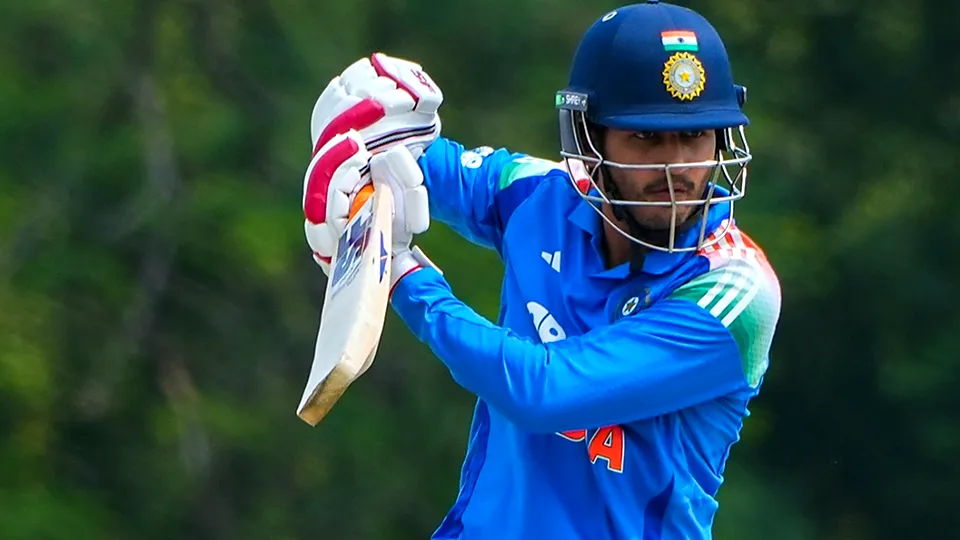
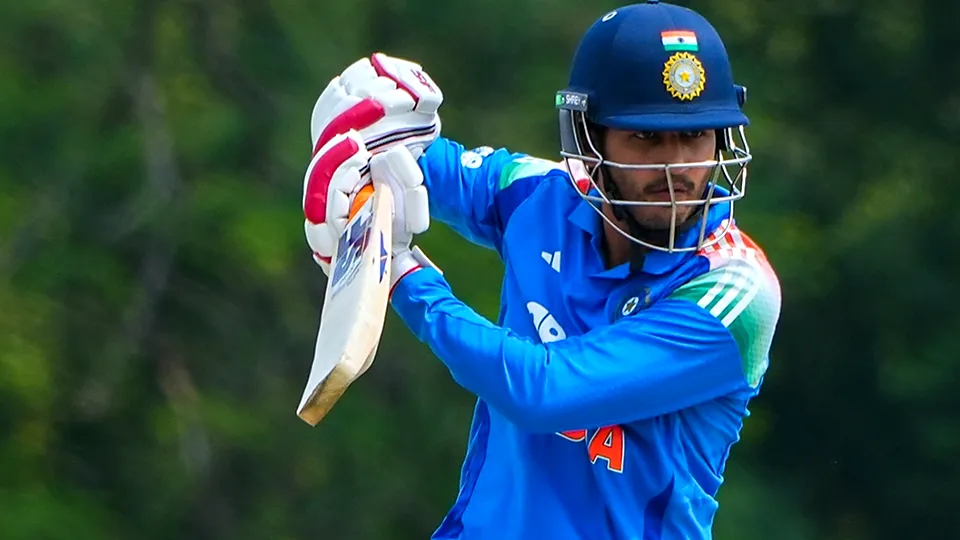
The moment the ball left his bat at 11:42 PM IST, the ground didn't just cheer; it shuddered. Nineteen sixes. Not a typo. Not a glitch in the replay system. Priyansh Arya had cleared the ropes more times than Tamil Nadu's bowlers had managed to bowl a clean length all evening. It wasn't just a score; it was a demolition. And at the center of it all, that infamous Rajdhani Night Jodi Chart, the subtle but deadly combination of dew factor and fielding placement that slowly strangled the opposition's rhythm.
Delhi's captain walked out on a sticky red-soil track that looked deceptively slow under the floodlights. To the untrained eye, it seemed like a run-mat. To Arya, it was a canvas. He didn't wait for the new-ball burst to settle. He attacked the skiddy hard length, driving the first two balls over the bowler. The dressing-room chatter in Chennai would have been intense by the second over. They knew they were in trouble. Arya didn't care about the opposition's game plan. He cared about the boundary-percentage, and he was rewriting the record books in real-time.
Why the Middle-Overs Choke Failed Tamil Nadu
Here’s the tactical nuance everyone missed while counting the sixes. Tamil Nadu tried to bowl at the death early. Smart? No. Stupid? Possibly. They sent in the seamers in the 15th over, thinking Arya would get caught behind. But Arya was playing through the middle, using the short pitch to his advantage. He pulled one over the keeper, then cut the next over point. The middle-overs choke didn't happen because Arya simply didn't give them the opportunity. He forced their hand. Every time they changed tactics, he had an answer. It was a chess match where one player was three moves ahead.
"You can't bowl to a man who is already thinking about the 100th boundary. His brain is ahead of the ball."
The Impact Player gamble? Delhi played it safe. They kept their top-order intact. Tamil Nadu, on the other hand, took risks. They brought in a young spinner in the 18th over. Arya didn't even look at the bowler. He just watched the release. The ball was a little high. He smashed it over long-on. The crowd noise wasn't just applause; it was a roar. The dew factor after 8:30 PM IST was playing its silent role, making the ball skid on, but Arya was too good to be deceived by the pitch's inconsistencies. He adjusted his grip, shortened his backswing, and kept hitting.
The Stat That Breaks Your Brain
181 runs. Second-highest in T20 history. Let that sink in. In an era of T20 records, that number is staggering. But it’s not just the score. It’s the consistency. Arya didn't just hit sixes; he controlled the game. He moved the field, exploited gaps, and punished any mistake with lethal intent. The chart of their night's jodi – the pairing of bowlers and fielders – was useless. You can't chart a man who is in a trance. He was flowing.
- Batsman: Priyansh Arya (Delhi)
- Score: 181* (60 balls)
- Sixes: 19
- Strike Rate: 301.6%
- Tournament: Syed Mushtaq Ali Trophy
Now, let's talk about the dressing-room chatter. When you post a score like that, the opposing team's bowlers don't just get discouraged; they get broken. The new-ball burst meant nothing when your best batsman is hitting sixes off the very first ball of the innings. The skiddy hard length became a gift. The fielding placements were irrelevant. Arya had turned the Rajdhani Night Jodi Chart into a joke. Every time a bowler stepped up, he knew what was coming. The fear of that bat was palpable.
Was it luck? No. Was it talent? Absolutely. But it was also preparation. Arya had seen these bowlers in practice. He knew their habits. He knew their tendencies. And he exploited them ruthlessly. The boundary-percentage was off the charts, but the real story was the control. He didn't just hit; he aimed. He didn't just survive; he thrived. This wasn't a lucky knock. This was a statement.
As the stumps were pulled out, the scoreboard told the story, but the silence in the opposing dugout said it all. There's no excuse for a performance like this. No 'sticky pitch' explanation. No 'dew factor' excuse. Arya was better. Simpler than that. The next time you see a Rajdhani Night Jodi Chart, remember this match. Remember that sometimes, one man can break the entire system. And that’s why he’s not just a batsman; he’s a force of nature.
Delhi will carry this momentum into the next match. Tamil Nadu will have to find a way to contain this kind of fire. But for now, enjoy the replay. Enjoy the 19 sixes. Enjoy the moment a 19-year-old redefined what’s possible in T20 cricket. It was electric. It was unforgettable. And it was just the beginning.
Related coverage
- Ahmedabad Dew Ruins NZ Plan; Rajdhani Night Jodi Chart Exposes Choke
- IPL 2026 RR vs MI: Pitch report, highest score, Guwa: What the Numbers Mean for Rajdhani Night Jodi Chart

Updated 2026-11-24 · Instant Rupee Deposits & 60s Withdrawals · 24/7 Support.
Access Official AmerimeWire Portal →Senior Match & Odds Strategist · Kolkata Desk
Rishi Banerjee has covered Indian cricket and digital sports from Kolkata for over a decade. At AmerimeWire (amerimewire.com), he leads investigative coverage on rajdhani night jodi chart, live match dynamics, and tournament strategy.
Reader Discussion & Match Reactions (2)4.9★ Community (2 Comments)
Verified Indian cricket reader perspectives & tactical debate on amerimewire.com
Yar, that 19-six sequence was absolute madness. Arya completely ignored TN's bowling plan and just smashed those skiddy balls over the top. Pure paisa vasool performance on that sticky track, bhai!
From a fantasy angle, Arya's 19 sixes signal a massive scoring boost for the match model. His aggression in the middle overs exposes TN's flawed death-bowling strategy, making him a high-impact pick for upcoming T20 matchups. The dew factor analysis is key here.