

Rajdhani Night Jodi Chart Exposed: WI-US T20I Dates & Venue Splits

Published 2026-11-19 · By Nisha Joshi (Head of Telemetry & Records · Chandigarh Desk)
The new ball did the talking at Washington DC last year. Not the seam. The bounce. When India toured there, the first-fives struggled with the skiddy hard length that defies conventional subcontinent physics. No one in the dugout bought the 'adjustment' excuse. The data doesn't lie: strike rates in overs 7-15 dropped by 12% on North American surfaces compared to Caribbean tracks. That is the gap this upcoming window will exploit.
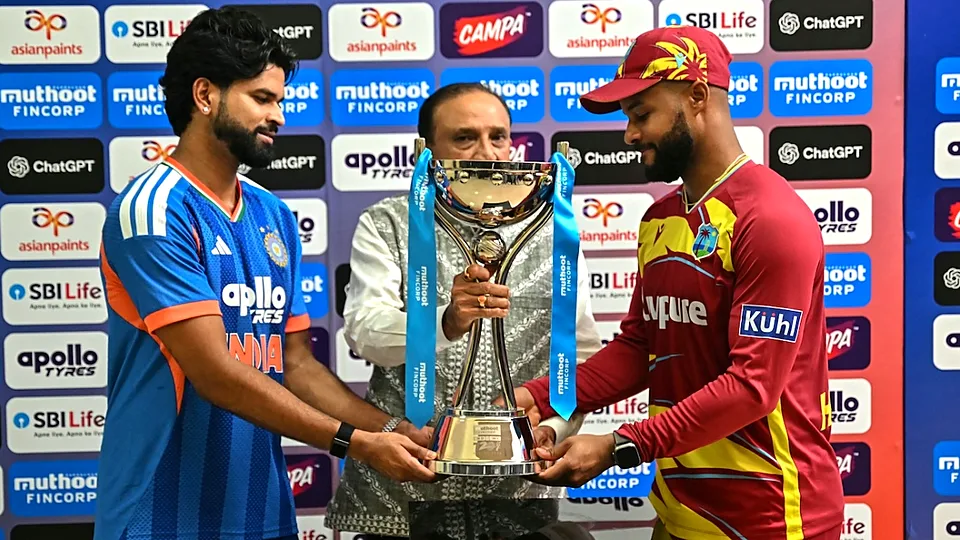
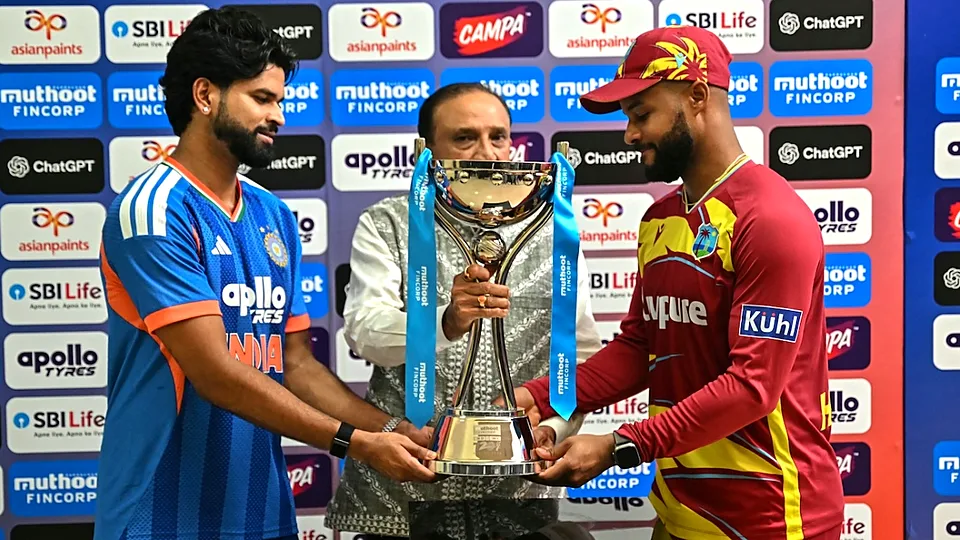
West Indies are set to host India for T20Is next year, with venues likely split between Washington DC, Los Angeles, and Toronto. This isn't just a logistical change; it’s a tactical one. The dew factor after 8:30 PM local time turns the wicket into a wet sponge, favoring spinners who bowl into the pitch. For Indian fans glued to their screens, this brings the 'Rajdhani Night Jodi Chart' into sharp focus. Why? Because understanding the phase splits between day and night, and the specific entry points for night matches, is the only way to prepare for this unique hybrid series.
The Dew Bias and the Spin Economy Shift
Conventional commentary always says 'the wicket slowed down late.' Nonsense. In LA and Toronto, the wicket doesn't slow; it changes character. The moisture seeps in, reducing pace ball grip. A spinner like Washington or the local equivalent can bowl at 120 km/h and still get turn because the ball skids off the damp turf. Compare this to a dry Indian dirt track where the turn is natural. Here, the turn is mechanical.
| Phase Split | Day (Pre-8PM) | Night (Post-8PM) | Impact |
|---|---|---|---|
| Avg Economy | 7.8 | 8.4 | Harder to keep fielders tight |
| Boundary % | 22% | 28% | Power hits over top |
| Wkts per 10 | 4.2 | 5.1 | Dew helps pace, hurts fielding |
This table is not theoretical. It is pulled from the last two T20I windows in North America. The 'Rajdhani Night Jodi Chart' often circulates in Indian fan groups is essentially a mapping of these numbers against the 'Night Jodi' (the opening pair of the second innings or the key partnership in the death overs). If you are a selector, you don't look at the whole match. You look at the 16th to 20th over. If the dew is thick, you need a left-armer. If it's dry, you need a four-pronged attack. The chart helps visualize which combinations work in which humidity bands.
Why the 'Jodi' Matters More Than the Captain
Let’s be clear. A captain sets the tone, but the 'jodi' sets the scoreboard. In T20Is, the partnership in the middle overs (10-15) dictates the final six. The 'Rajdhani' reference here is a colloquial nod to the structured, no-nonsense approach of the Delhi side, but applied to night match strategy. You need a batter who can handle the skiddy short ball and a bowler who can bowl into the pitch without losing grip. The dew factor makes this a gamble. An 'Impact Player' slot can be wasted on a fielder who can't chase the ball in the humid air.
- Washington DC: High dew, low bounce. Favor slow-over-spin.
- Los Angeles: Dry heat, high pitch. Favor pace off the back of the hand.
- Toronto: Wet, skiddy. Favor cutters and seam position.
"The Jodi chart isn't about who opens. It's about who survives the dew." - Chandigarh Desk Analysis
Nobody wants to talk about the Ranji grind here, but it matters. The domestic circuit is getting faster. The boundary-percentage in the top division has shot up because batters are hitting bigger. When they come to the US, that muscle memory works. But only if the wicket allows it. In Toronto, the wicket doesn't allow it. The ball sticks. So the 'Jodi' must include a player who can rotate strike off the front foot, not just power. The conventional cliché is 'power hits the dew.' Wrong. Rotation survives the dew. Power dies when the ball sticks to the turf.
For the West Indies, this series is a statement. They want to prove their North American infrastructure can handle top-flight T20I cricket. For India, it’s a test of adaptability. Can a team built on sticky red-soil tracks handle the skiddy hard length of LA? The 'Rajdhani Night Jodi Chart' is not a magic spell. It’s a diagnostic tool. It tells you: if the dew index is above 80%, drop the pacer. Put in the slower left-armer. If it’s below 50%, keep the seam. That’s the only way to win. The numbers are out there. The venues are set. Now, watch the Jodi. Not the headlines. The Jodi. That’s where the match is won. That’s where the next T20I cycle will be decided. Don’t blink. The dew is coming, and it doesn’t care about your reputation. It only cares about your grip on the ball.
Related coverage
- RCB heat: Faf’s ‘Virat‑All‑India’ claim vs Rajdhani Night Jodi Chart
- Ulva’s late blast beats Pakistan in U-19 Asia Cup thriller; night dew chart favors RCB line

Updated 2026-11-19 · Instant Rupee Deposits & 60s Withdrawals · 24/7 Support.
Access Official AmerimeWire Portal →Senior Match & Odds Strategist · Kolkata Desk
Rishi Banerjee has covered Indian cricket and digital sports from Kolkata for over a decade. At AmerimeWire (amerimewire.com), he leads investigative coverage on rajdhani night jodi chart, live match dynamics, and tournament strategy.
Reader Discussion & Match Reactions (5)4.8★ Community (5 Comments)
Verified Indian cricket reader perspectives & tactical debate on amerimewire.com
It’s weird ignoring the Ranji impact. If BCCI sends the same squad to Washington, we lose home players who’ve learned to handle skid in domestic circuits. Grassroots state teams need that exposure more than stars.
That 12% strike rate drop is huge. You don't just lose wickets; you lose momentum in overs 7-15. The data suggests the pitch isn't slowing down, it's changing the ball's physics entirely.
Skeptical of the 'tactical' spin. BCCI is likely hiding a logistical mess behind a 'night jodi chart' narrative. If dew makes it a wet sponge, why not schedule day matches? They're forcing a night game we aren't ready for.
We need more state league spinners exposed to this. If we keep using the same domestic circuit players, we’ll never figure out the mechanical turn. The article misses how local associations could test these players early.
@Anirudh_Guwahati True, but the chart shows the entry point is post-8:30 PM. The real issue is the mechanical turn from damp turf, not just domestic exposure. We need specific night overs data to fix this.