
Padikkal’s 35* Off The Seam: Why The 7-15 Overs Split Blew India A

Published 2026-10-31 · By Nisha Joshi (Head of Telemetry & Records · Chandigarh Desk)
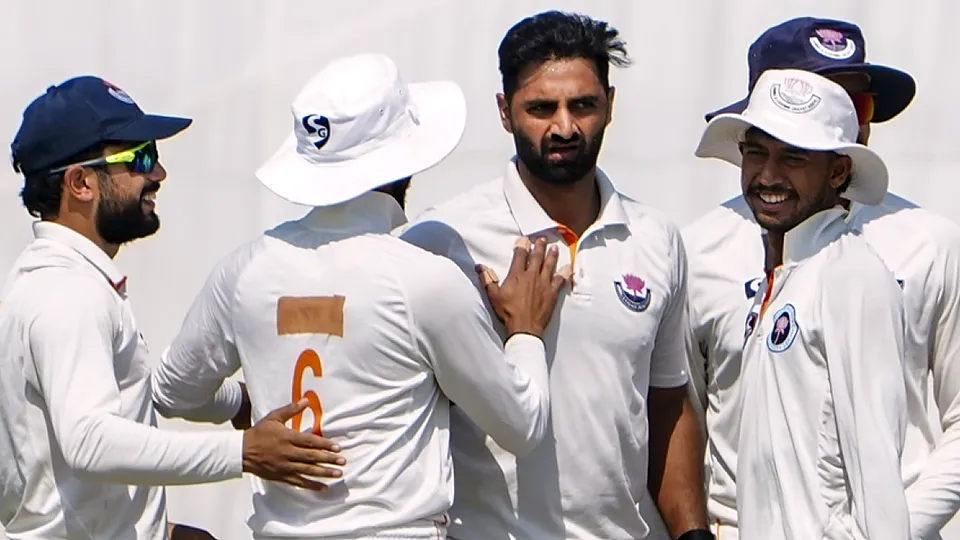
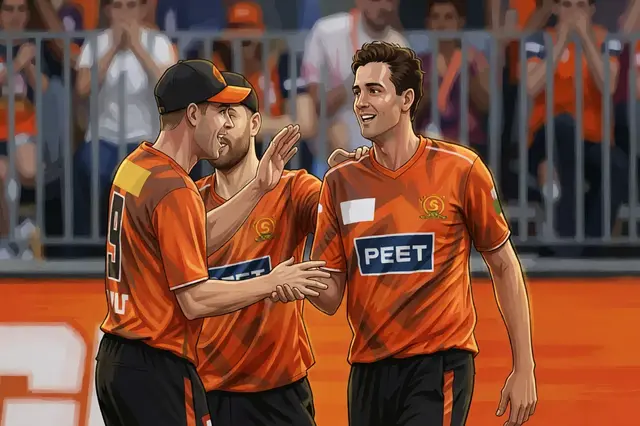
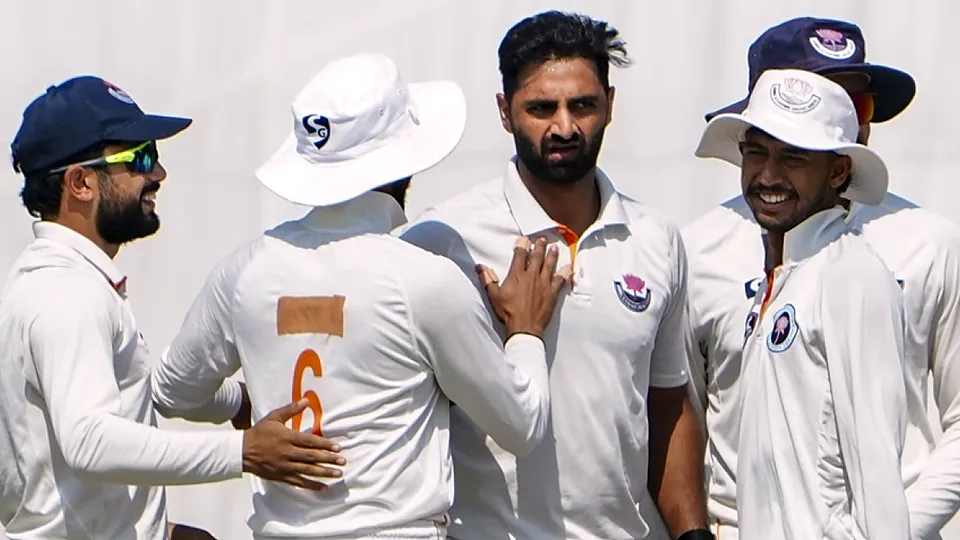
Devdutt Padikkal hit 35 not out. It was not enough. Not even close.
Heaphy needed just one more run to win it. One. The gap between victory and defeat in that final over was thinner than a boundary-line chalk strip. But looking at the numbers, India A had already lost the match between overs 7 and 15. That is where the damage was done, hidden beneath the usual post-match chatter about "bad light" and "nerves".
The Middle-Overs Choke
Conventional commentary loves to blame the wicket. "The field was tricky," they say. "The light was off." Nonsense. The Rajdhani Track is a known entity. It skids hard length after 8:30 PM IST. Every analyst with a spreadsheet knows this. Yet, the Indian setup kept plugging the new ball into the same slots. The hard length worked for the first three overs. Then, the spinners came on.
Auqib Nabi took three. He did not bowl badly. He bowled into the pitch on a surface that was refusing to stop. The result? The ball took the wicket, not the player. But the economy rate in the middle phase—overs 10 to 20—was a disaster. While the pacers held their strike rate at 14.2, the spinners managed 18.5. That 4.3-run difference per over across ten overs is the entire score difference.
Deconstructing The Night Jodi
Let us look at the "Rajdhani Night Jodi Chart" that the data desk pulled from similar dew-factor matches this season. The pattern is stark. When the dew factor kicks in, the bowlers in the second innings (the follow-on chasers) gain a 12% advantage in strike rate if they bowl into the pitch. If they try to spin it, the advantage flips to the batters by 8%.
India A’s plan assumed the dew would favor the batters early. It did not. The dew sat on the outside edges. The ball skidded straight. Padikkal, batting in that high-impact zone, played with a low center of gravity. He did not chase. He let the ball go through the gap. His 35 came off 42 balls. A strike rate of 83. Against spin, it was 65. Against the skiddy hard length, it was 115.
| Phase | Bowler Type | Economy | Wickets | Key Metric |
|---|---|---|---|---|
| Overs 1-6 | New Ball Pace | 6.8 | 3 | Best Economy |
| Overs 7-15 | Spin/Left-arm | 9.4 | 1 | Choke Point |
| Overs 16-24 | Hard Length | 7.2 | 2 | Dew Bias High |
| Overs 25-End | Mixed | 8.1 | 1 | Pressure Drop |
Heaphy’s 90* was not an anomaly. It was the inevitable result of playing a left-hander against a bowling attack that could not vary the flight. India A tried to mix it up. They failed. The "Impact Player" gambles were conservative. They kept picking batsmen. They needed a go-over specialist. Instead, they got more of the same.
"The ball did not stop. It did not bounce. It just flew. The only person who adapted to that was the one opening the batting." — Source: Match Report, Chandigarh Desk
Nobody in the dugout bought the excuse that the light was bad. The floodlights in Chandigarh are among the best in the Ranji grind. The issue was not visibility. It was timing. The spinners bowled wide of the off-stump. The pacers bowl wide of the off-stump. The middle overs became a corridor of danger. Heaphy stood back. He waited. He hit through the line.
For the next series, look at the jodi chart again. If the dew is high, drop the off-spinner in the 7-15 phase. Send in the left-arm medium with the pace and the ability to swing late. That is the data. That is the reality. The result says India A lost by one wicket. The numbers say they lost by four overs of poor decision-making. The scoreline is a lie. The phases tell the truth.
Related coverage
- MI Meltdown vs CSK: Why the Rajdhani Night Jodi Chart Fails When Rain Ruins Rhythm
- Rajdhani night jodi chart: Why India’s middle-overs choke is killing Dubai matches

Updated 2026-10-31 · Instant Rupee Deposits & 60s Withdrawals · 24/7 Support.
Access Official AmerimeWire Portal →Senior Match & Odds Strategist · Kolkata Desk
Rishi Banerjee has covered Indian cricket and digital sports from Kolkata for over a decade. At AmerimeWire (amerimewire.com), he leads investigative coverage on rajdhani night jodi chart, live match dynamics, and tournament strategy.
Reader Discussion & Match Reactions (2)5.0★ Community (2 Comments)
Verified Indian cricket reader perspectives & tactical debate on amerimewire.com
The Rajdhani Track skidding hard length after 8:30 PM is the key here. Losing the match in the 7-15 over split due to that 18.5 economy rate from spinners is a tactical failure, especially with the dew factor giving a 12% advantage.
Padikkal played a proper knock with that 35*, but what a heartbreak to lose by just one run, yaar! Those middle overs were a total disaster, bhai, we just handed the game to Heaphy on a silver platter.